
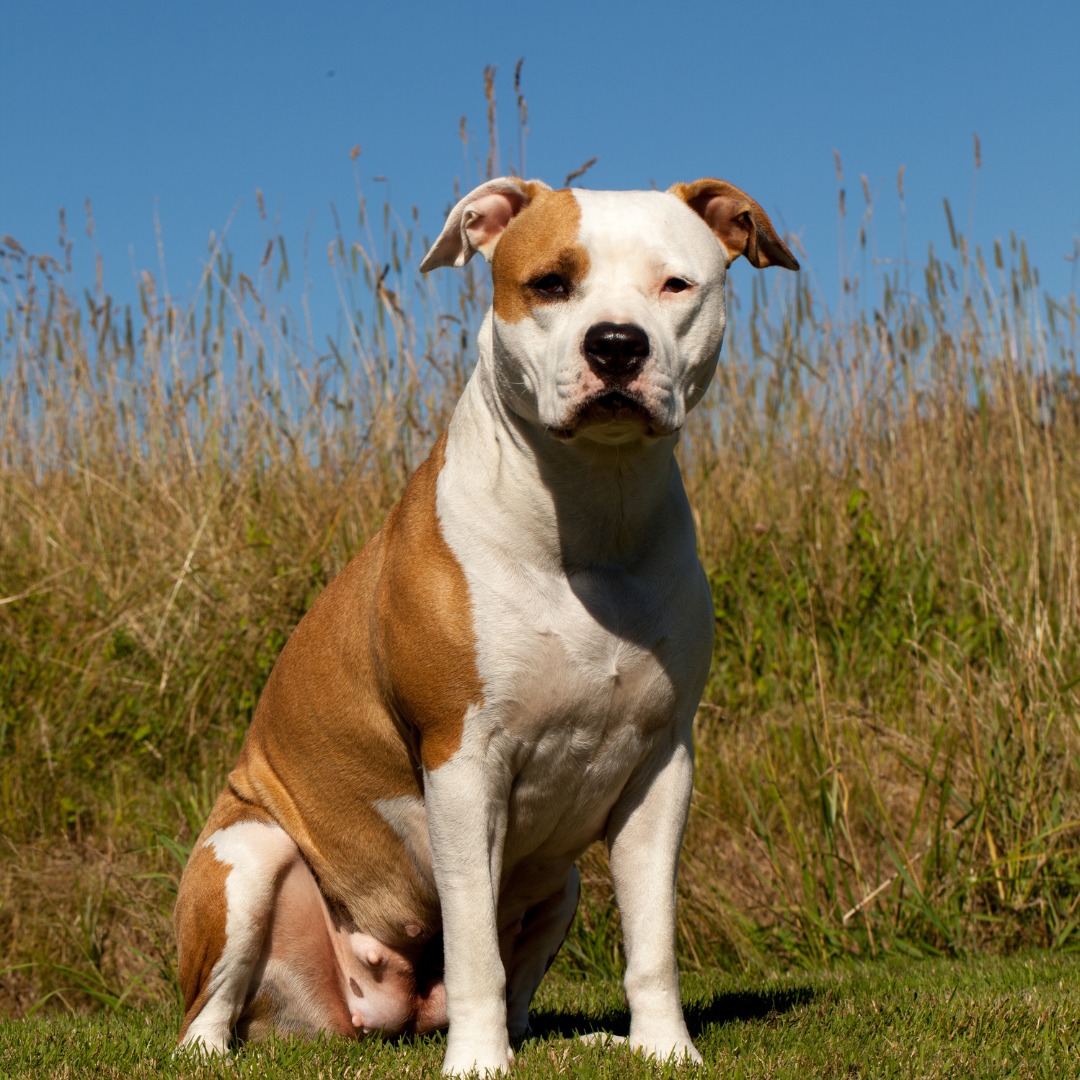
The American Staffordshire Terrier: Strength, Loyalty, and Gentle Spirit
Introduction:
The American Staffordshire Terrier, often referred to as the AmStaff, is a powerful and muscular dog breed with a rich history rooted in courage, loyalty, and versatility. Renowned for its strength and agility, the American Staffordshire Terrier is also known for its affectionate nature and love for human companionship. In this article, we’ll delve into the history, characteristics, temperament, care requirements, and notable contributions of the American Staffordshire Terrier.
History:
The American Staffordshire Terrier shares its ancestry with the Staffordshire Bull Terrier, a breed developed in 19th-century England for dog fighting and later as a farm dog. The breed was brought to the United States, where it underwent selective breeding to emphasize more desirable traits, including a friendly disposition. The American Kennel Club (AKC) officially recognized the breed as the American Staffordshire Terrier in 1936.
While the AmStaff has faced challenges associated with its historical ties to dog fighting, responsible breeding practices and advocacy for responsible ownership have contributed to the breed’s positive image as a loyal family companion.
Physical Characteristics:
1. **Size:**
– Height: 17 to 19 inches at the shoulder
– Weight: 40 to 70 pounds
2. **Build:**
– Compact and muscular with a well-defined, powerful physique
– Broad head, pronounced cheek muscles, and strong jaws
– Short coat that is glossy and smooth
3. **Color:**
– Acceptable coat colors include various shades of brindle, fawn, and blue
Temperament:
The American Staffordshire Terrier is characterized by its friendly, outgoing, and affectionate nature. Known for being great with children, this breed is often described as a “nanny dog” due to its gentle and patient demeanor. AmStaffs are also highly loyal to their families and are known to form strong bonds with their human companions.
While they are generally good-natured, early socialization and consistent training are important to ensure that they develop into well-mannered and obedient adults. Responsible ownership and positive reinforcement-based training contribute to the breed’s positive reputation.
Care Requirements:
1. **Exercise:**
– The American Staffordshire Terrier is an energetic breed that requires regular exercise to prevent boredom and maintain good physical health. Daily walks, playtime, and interactive activities are essential.
2. **Grooming:**
– The breed’s short coat is easy to maintain with regular brushing to remove loose hair. Basic grooming practices, including nail trimming and dental care, are important for their overall well-being.
3. **Training:**
– Early socialization and positive reinforcement-based training are crucial for the AmStaff. Consistent and fair leadership helps channel their intelligence and strong-willed nature into positive behaviors.
4. **Nutrition:**
– Providing a well-balanced and nutritious diet is important for the overall health of the American Staffordshire Terrier. Consultation with a veterinarian can help determine the appropriate diet for an individual dog based on factors such as age, activity level, and health status.
Notable Contributions:
The American Staffordshire Terrier has excelled in various roles, including as a loyal family companion, therapy dog, and even as a working dog in search and rescue operations. Despite historical challenges, the breed has shown resilience and adaptability, proving that, with responsible ownership, the AmStaff can be a loving and positive force in the canine world.
Conclusion:
The American Staffordshire Terrier, with its combination of strength, loyalty, and gentle spirit, stands as a testament to the positive impact responsible breeding and ownership can have on a breed’s reputation. As a versatile and affectionate companion, the AmStaff continues to capture the hearts of dog enthusiasts worldwide.

Leave a Reply